Your cart is currently empty!

Categories
Recent Posts
- How to Choose an Exhibition Booth Builder in China: A Guide for US Exhibitors
- Unforgettable Moments at Villa Basset: Crafting the France WorldSkills Cocktail Reception
- Semicon Taiwan 2026
- Strategic Exhibition Stand Design & Construction for bauma SHANGHAI 2026
- Client Testimonial: Premium Booth Construction at Routes Asia 2026 | Panda Expo
Archive
- October 2026
- September 2026
- May 2026
- March 2026
- February 2026
- January 2026
- December 2025
- November 2025
- October 2025
- September 2025
- August 2025
- July 2025
- June 2025
- May 2025
- April 2025
- March 2025
- February 2025
- January 2025
- December 2024
- September 2024
- August 2024
- July 2024
- March 2024
- February 2024
- January 2024
- November 2023
- April 2023
- March 2023
Tags
Air Cargo China BEIJING booth assembling booth builder China booth builders booth construction booth contractor booth display contractor booth display ideas booth fabrication booth management booth production China exhibition stand contractor CHINAPLAS China stand builder CIPS custom exhibition stand builders exhibition exhibition booth construction exhibition booth design exhibition stand builder China exhibition stand builder in Shanghai Exhibition Stand Construction EXHIBITION STAND DESIGN exhibition stand designers and builders expo stand builders expo stand design fhc china glass industry exhibition HONG KONG IE Expo 2026 Laser World of Photonics China Panda Expo Panda Expo China ProWine Shanghai 2026 Routes Asia 2026 stand builder SHANGHAI SIAL China 2026 stand builder Sports Events in China tradeshow in guangzhou tradeshow in india tradeshow in japan tradeshow in shanghai tradeshow in vietnam Vinexpo Asia Hong Kong 2026 Exhibition Stand Construction
Social Links


🍽️ Food Exhibition Booth: A Highly Integrated System Project
The uniqueness of food-related booths lies in the fact that they are not only about “looking good” but also about ensuring safety and efficiency under heavy operational loads. In essence, they function as both a temporary restaurant and an industrial kitchen.
1. Energy & Utilities
- Water Supply & Drainage: Commercial-grade sinks and high-frequency dishwashing equipment require stable water pressure and complex drainage layouts (with anti-clogging measures).
- High-Load Power Distribution: Cooking, refrigeration, and heating appliances are all high-power. Accurate load calculations and multi-circuit distribution are essential to prevent outages.
2. Commercial Kitchen Equipment Integration
- Hot Processing Equipment: Steam ovens, induction cookers, microwaves, grills.
- Cleaning Equipment: Automated dishwashers and glass washers.
- Refrigeration & Beverage Systems: Commercial refrigerators, freezers, and professional coffee machines.
3. Specialized Labor & Trades
- Plumbers: Responsible for water supply sealing and drainage systems.
- Electricians: Handle high-power distribution and appliance connections.
- Equipment Engineers: Install, calibrate, and maintain dishwashers, coffee machines, and exhaust systems.
4. On-Site Staffing & Operations
- Core Catering Team: Experienced chefs and waitstaff for live operations.
- Media Team: Professional photographers and videographers to capture events for brand promotion.
5. Digital Infrastructure
- Network Support: Food booths often involve QR code ordering, live streaming, and cloud-based order management. Stable Wi-Fi coverage and dedicated IT staff are critical.
📊 Complexity Overview Table
| Dimension | Core Requirement | Key Risk Points |
|---|---|---|
| Water / Power | High-power electricity, continuous water supply | Leakage risks, overload outages, drainage odors |
| Equipment | Kitchen appliances, exhaust systems | Insufficient cooling causing breakdowns, non-compliant smoke emissions |
| Personnel | Chefs, engineers, media, IT | Inefficient coordination, overlapping workflows |
| Safety | Food safety, electrical safety, fire prevention | Fire hazards, slippery flooring |
💡 Recommendations for Spanish Design Companies
When outsourcing such complex projects to Chinese exhibition stand contractors, it is advisable to include the following attachments in the technical RFP:
- Maximum Instantaneous Power Load
- Water Supply & Drainage Node Diagram
- On-Site Exhaust & Ventilation Plan
Note: For complex food booths, a detailed on-site management SOP can further ensure contractors respond quickly to unexpected issues during the exhibition.
🍽️ On-Site Management SOP for Food Exhibition Booths
1. Pre-Exhibition Preparation
- Energy & Utilities Check
- Electricians verify total load calculations and multi-circuit distribution.
- Plumbers test water pressure and drainage flow, ensuring anti-clogging measures.
- Equipment Testing
- Engineers run trial operations of ovens, dishwashers, coffee machines, and exhaust systems.
- Refrigeration units checked for stable cooling.
- Safety Setup
- Fire extinguishers, fire blankets, and emergency exits marked.
- Conduct a short emergency drill for staff.
2. Daily Operations During Exhibition
- Energy Monitoring
- Electricians monitor power meters every 2 hours.
- Plumbers inspect drainage points at least twice daily.
- Equipment Inspection
- Refrigeration temperatures logged every 2 hours.
- Dishwashers and coffee machines checked after peak service times.
- Workflow Coordination
- Clear separation of zones: Kitchen, Service, Audience.
- Staff movement mapped to avoid cross-traffic.
3. Emergency Response Protocols
- Power Failure
- Switch to backup circuits immediately.
- Electricians investigate and restore main supply.
- Water Blockage
- Activate emergency pumps.
- Plumbers isolate and repair affected drainage nodes.
- Equipment Breakdown
- Engineers prioritize refrigeration and cooking equipment to maintain food safety.
- Fire Hazard
- Cut power instantly.
- Use fire extinguishers and initiate evacuation.
4. End-of-Day Procedures
- Cleaning
- Deep clean all kitchen equipment.
- Sanitize food preparation areas.
- System Shutdown
- Disconnect water and power supply safely.
- Daily Review
- Record incidents, energy peaks, and workflow issues.
- Share findings with management for continuous improvement.
5. Post-Exhibition Wrap-Up
- Equipment Dismantling
- Engineers disassemble appliances carefully for reuse.
- Utility Disconnection
- Plumbers and electricians remove connections per site regulations.
- Final Report
- Document all incidents, responses, and recommendations for future projects.
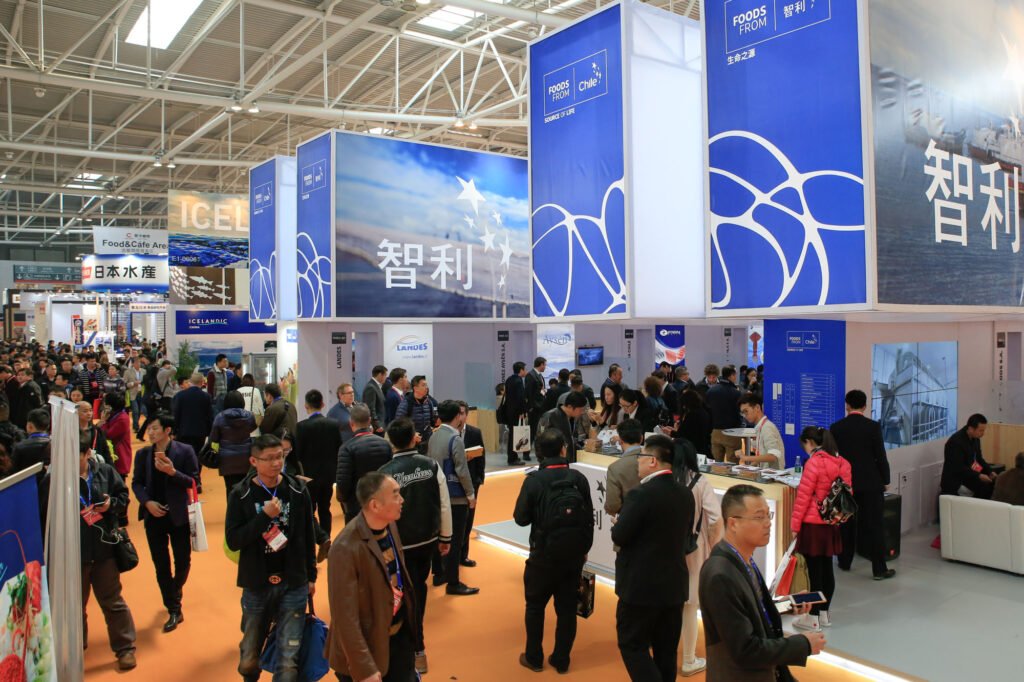 chile pavilion expo stand construction in China Fisheries & Seafood Expo (CFSE)
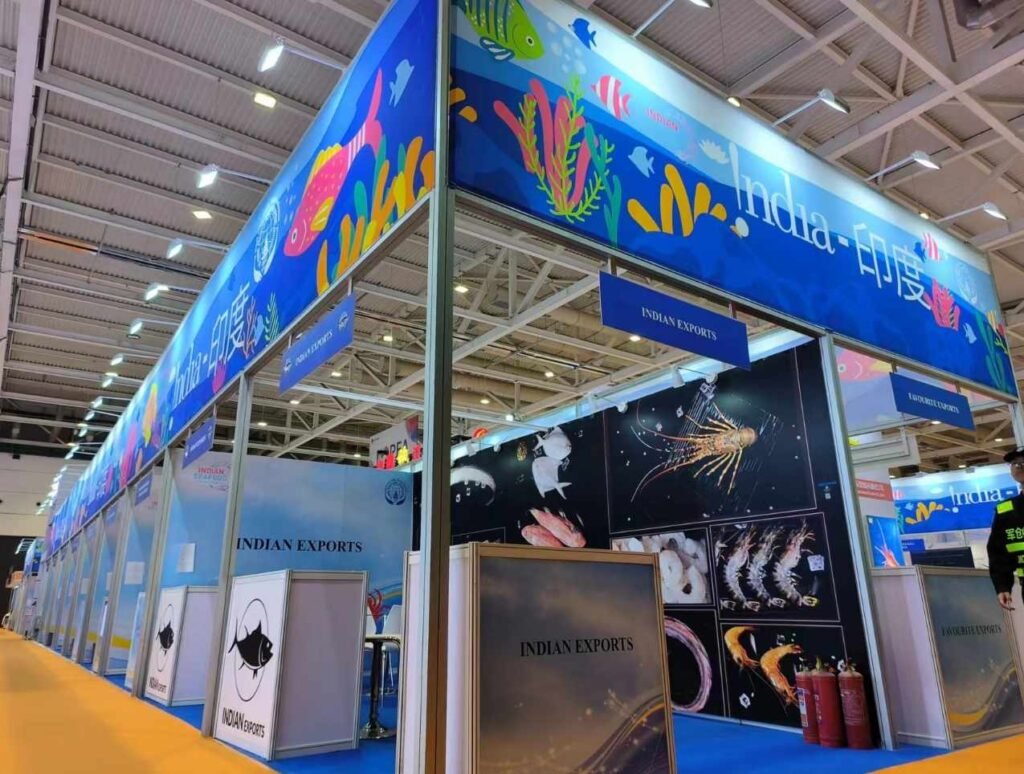 India Pavilion stand construction at China Fisheries & Seafood Expo (CFSE)
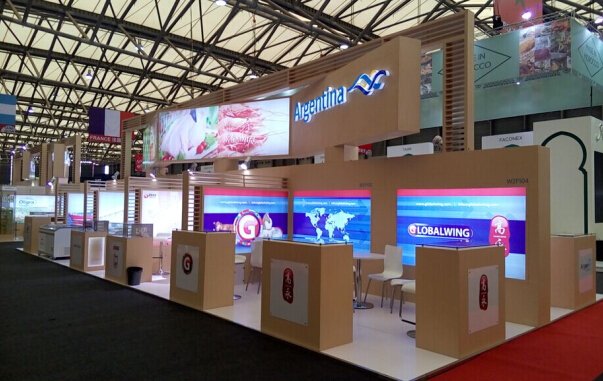 argentina pavilion expo stand construction in Sial China shanghai
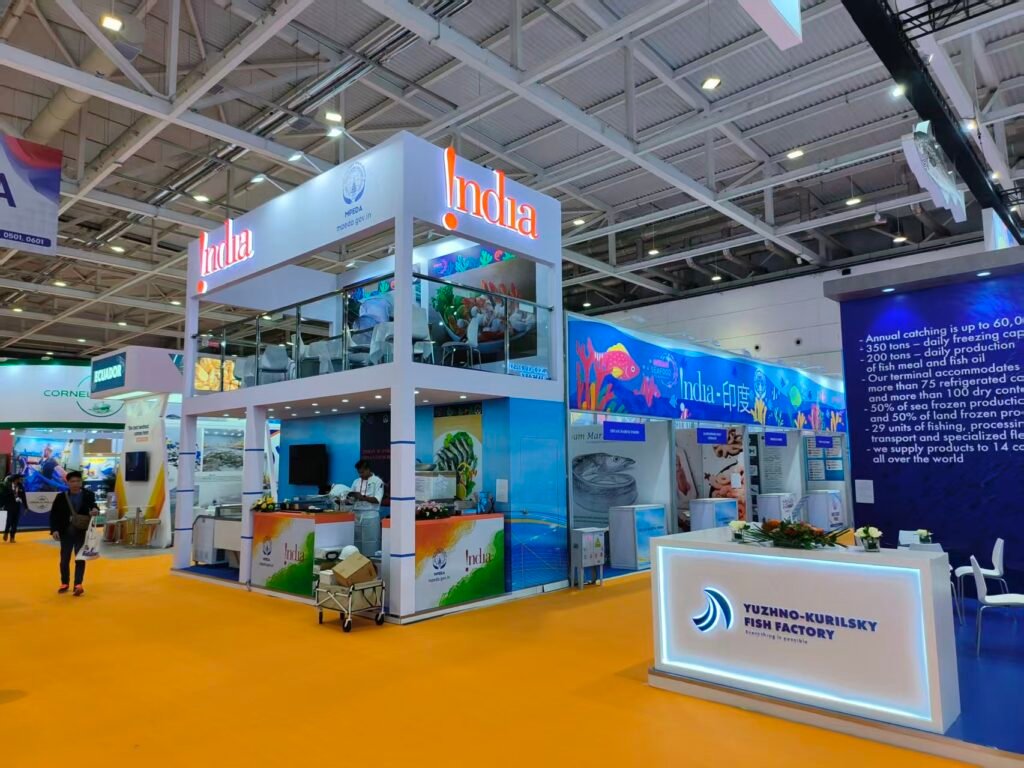 indian pavilion stand construction in china by panda expo
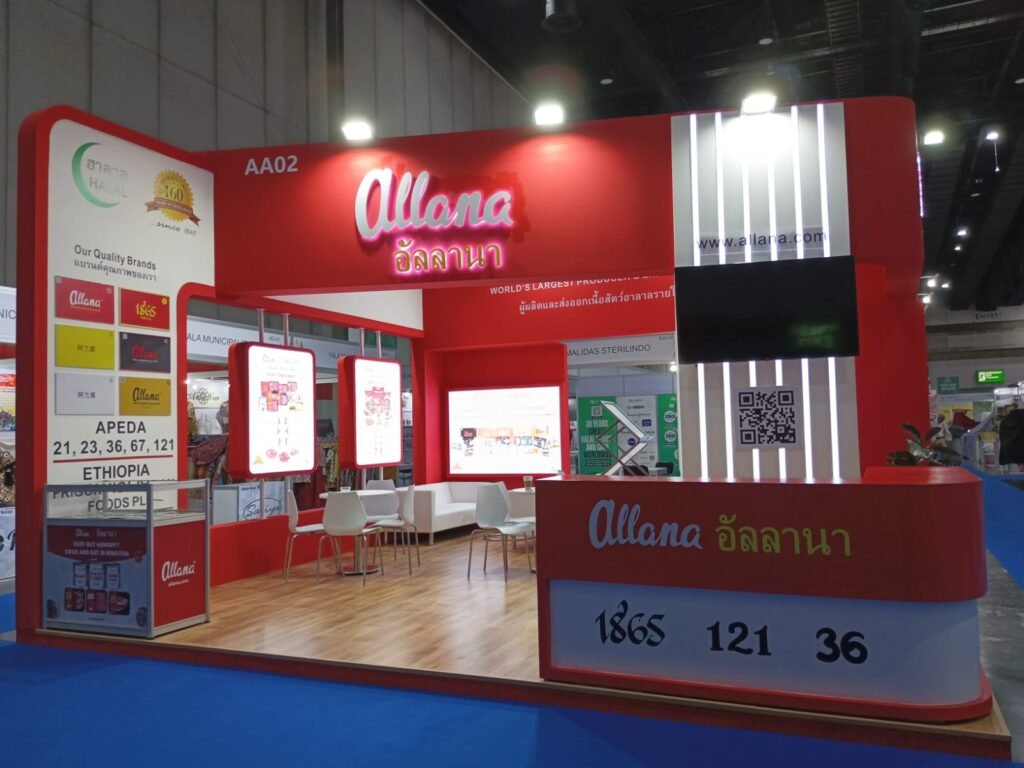 allana exhibition stand construction by panda expo china
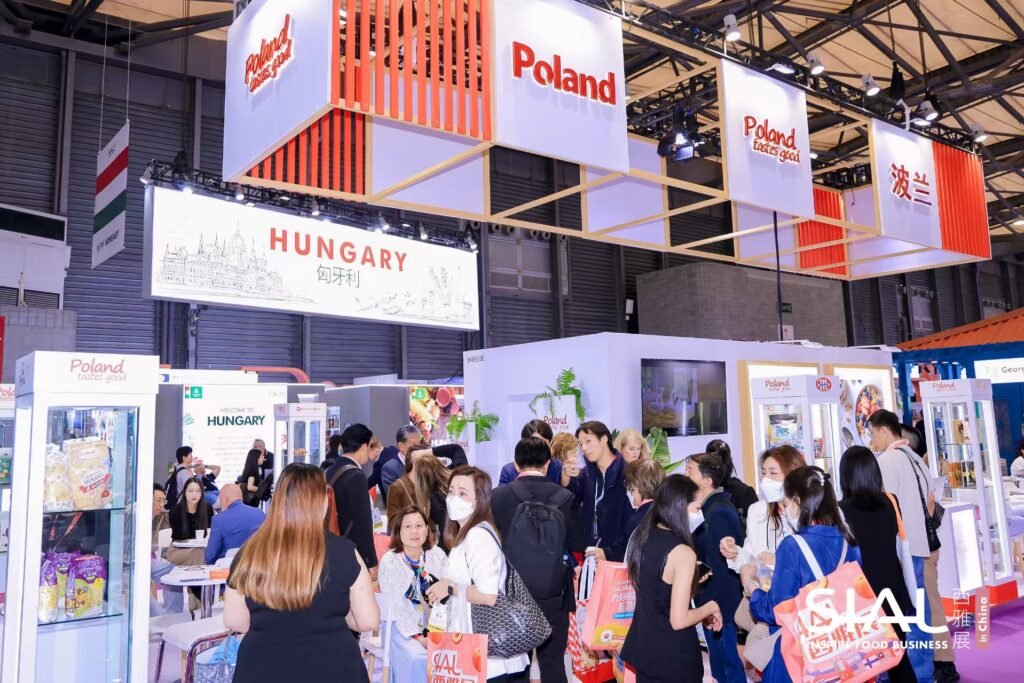 poland pavilion @sial china 2025
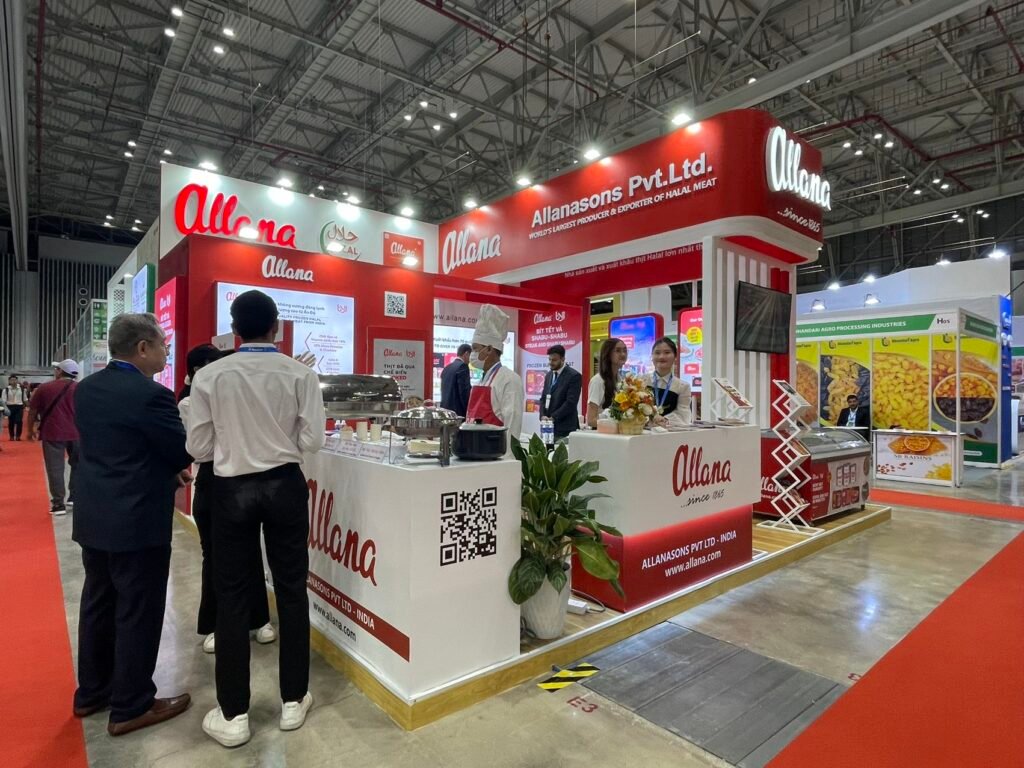 allana exhibition stand construction in vietnam
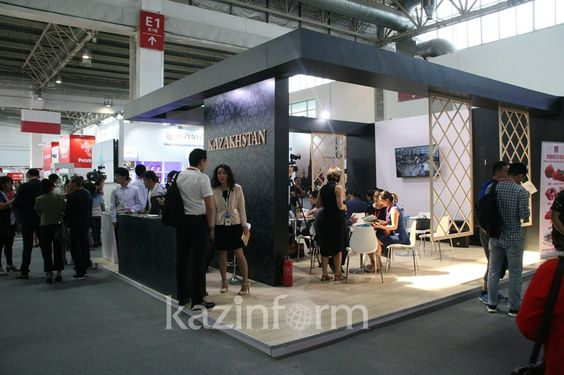 kazakhstan pavilion expo stand construction in aguafood beijing
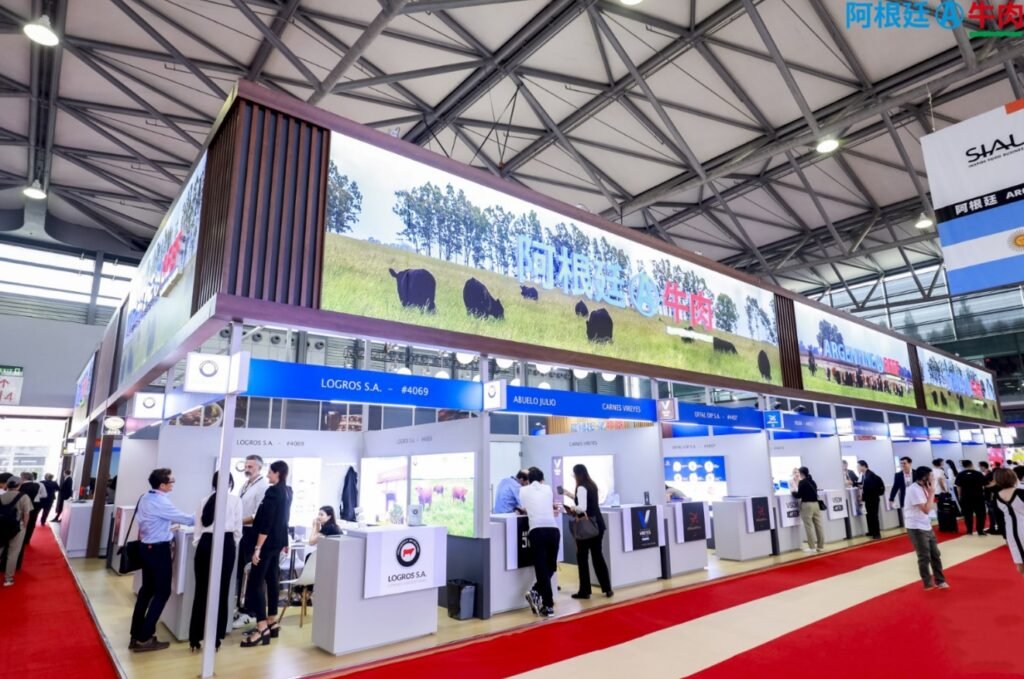 exhibition stand construction in sial china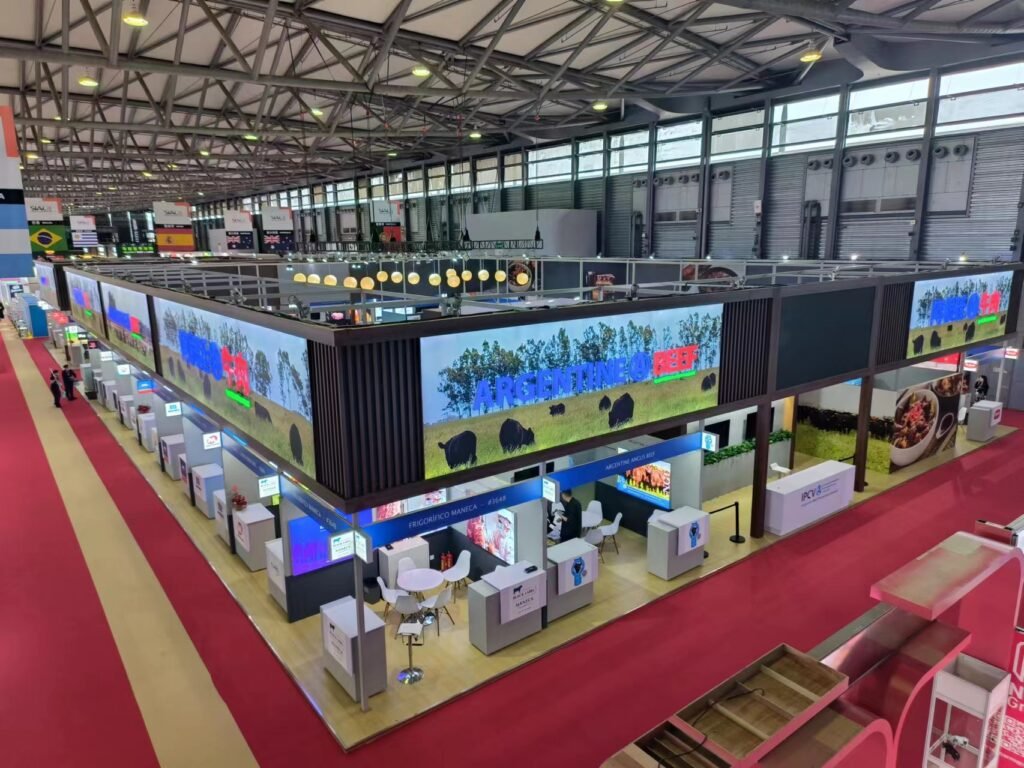
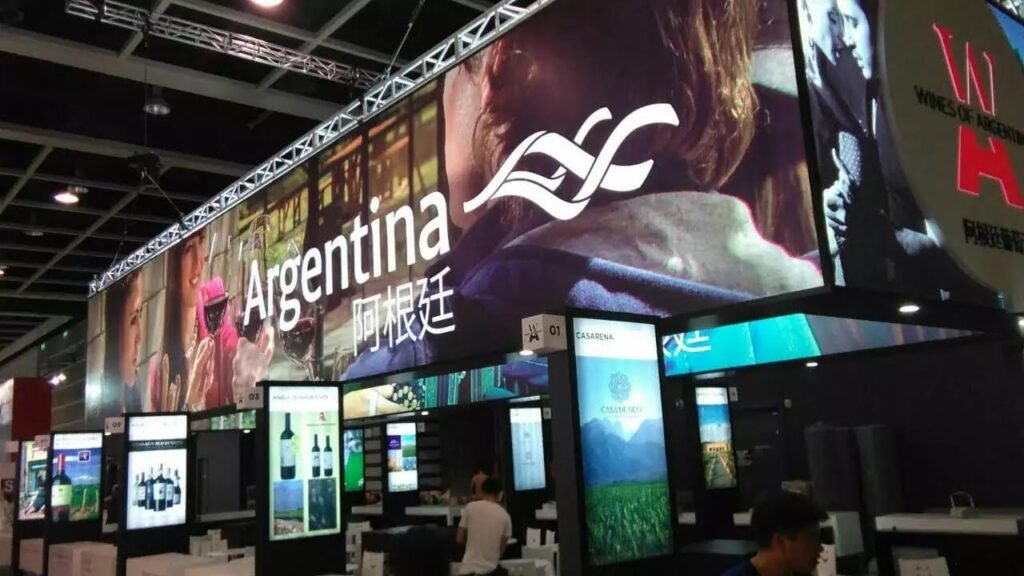 wof pavilion expo stand construction in vinexpo hongkong
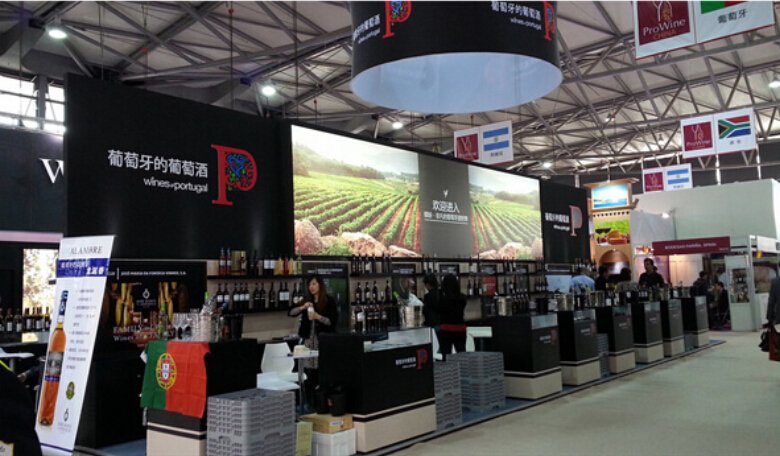 wines of portugal pavilion expo stand construction in prowine shanghai
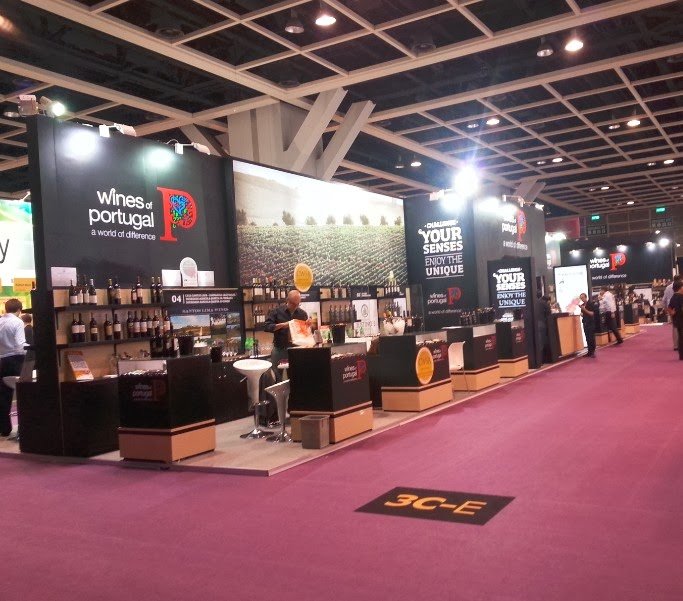 wines of portugal pavilion expo stand construction in hongkong HKTDC Hong Kong International Wine & Spirits Fair
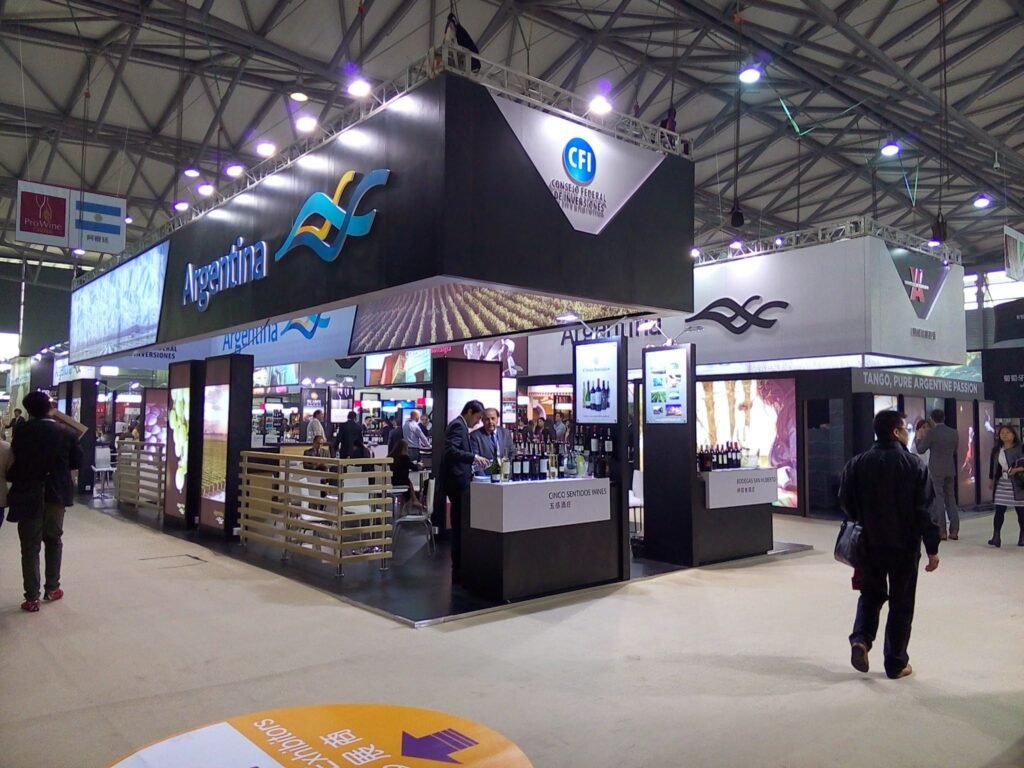 wines of argentina pavilion expo stand construction in prowine in shanghai
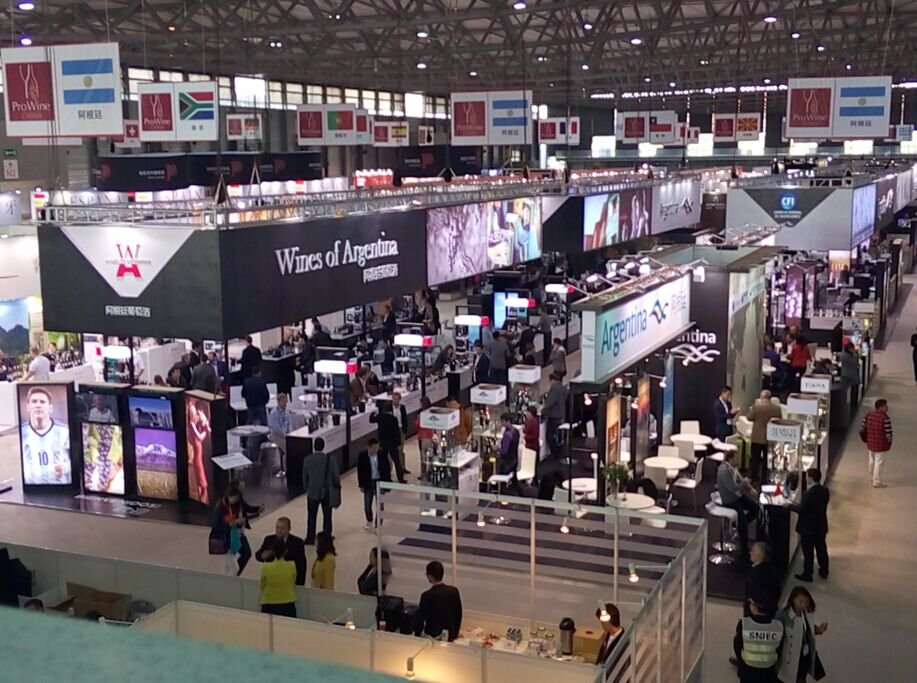 wines of argentina pavilion expo stand construction in prowine in shanghai china
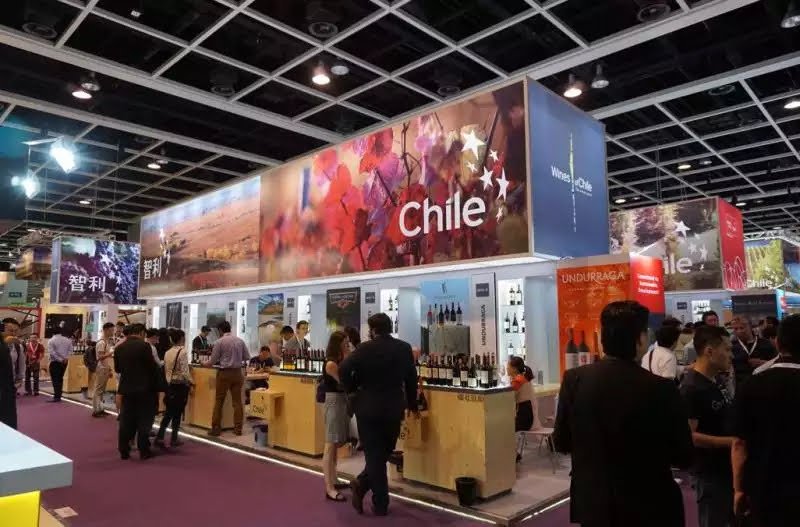 wine of chile pavilion expo stand construction in vinexpo hongkong
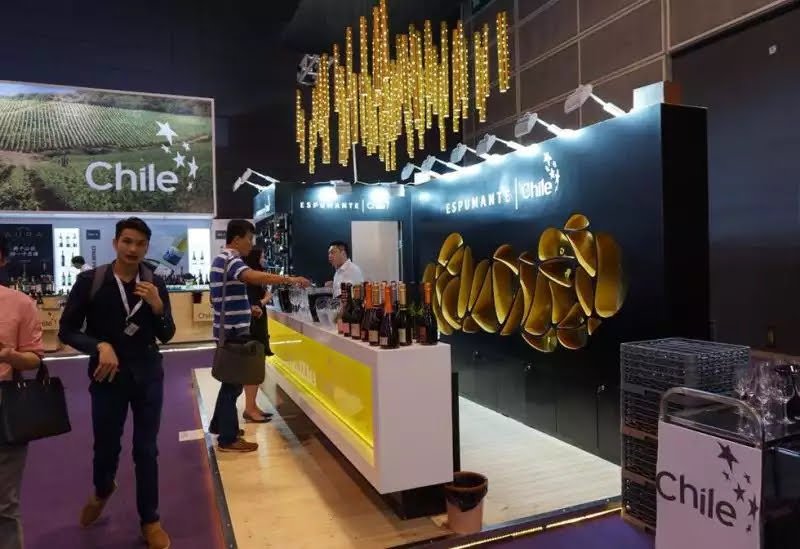 wine of chile pavilion expo stand construction in vinexpo hongkong 2
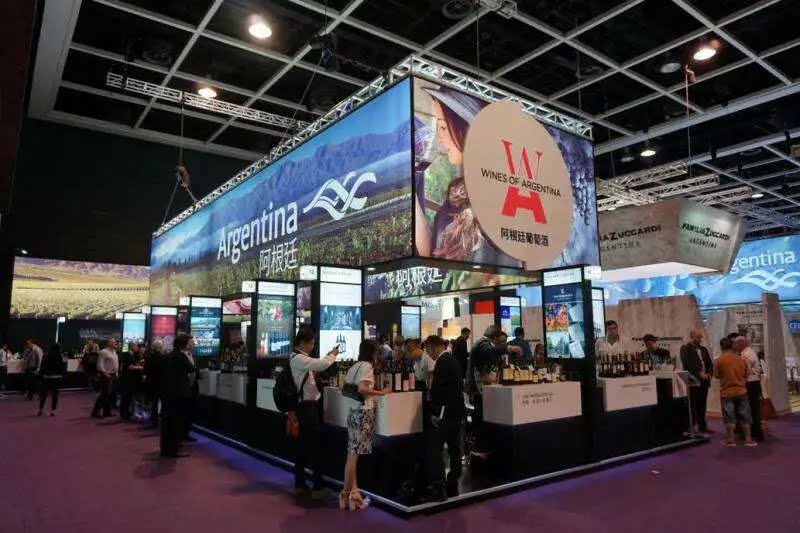 wine of argentina pavilion expo stand construction in vinexpo hongkong
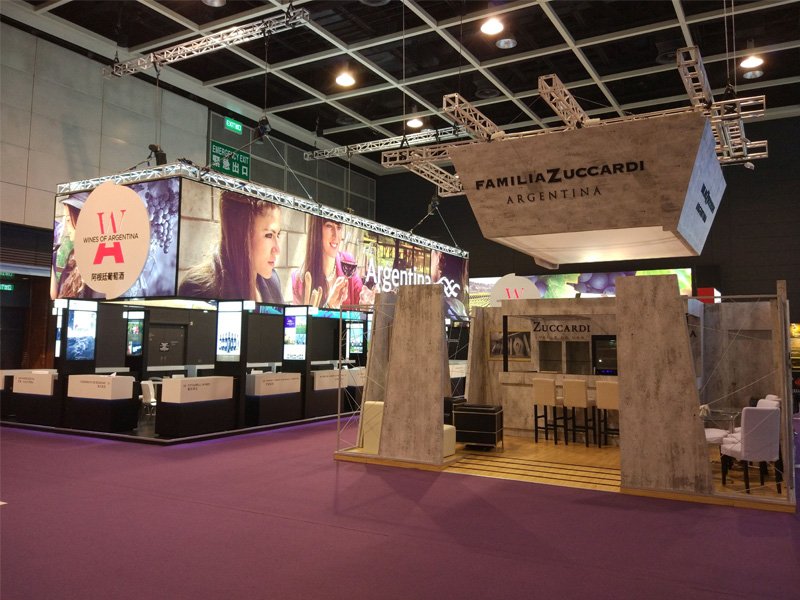 wines of argentina @ Vinexpo Asia hongkong