Your cart is currently empty!

Categories
Recent Posts
- How to Choose an Exhibition Booth Designer: Questions to Ask Before You Hire

- How Are Custom Exhibition Stands Designed and Built? A Step-by-Step Guide
- How to Choose an Exhibition Booth Builder in China: A Guide for US Exhibitors
- Unforgettable Moments at Villa Basset: Crafting the France WorldSkills Cocktail Reception
- Semicon Taiwan 2026
Archive
- October 2026
- September 2026
- May 2026
- March 2026
- February 2026
- January 2026
- December 2025
- November 2025
- October 2025
- September 2025
- August 2025
- July 2025
- June 2025
- May 2025
- April 2025
- March 2025
- February 2025
- January 2025
- December 2024
- September 2024
- August 2024
- July 2024
- March 2024
- February 2024
- January 2024
- November 2023
- April 2023
- March 2023
Tags
Air Cargo China BEIJING booth assembling booth builders booth construction booth contractor booth display contractor booth display ideas booth fabrication booth production China booth contractor China International Bicycle Fair 2026 CHINAPLAS CIPS cosmetics trade show China custom booth design Shanghai custom exhibition stand builders custom exhibition stand design custom exhibition stands exhibition exhibition booth construction exhibition booth design exhibition booth designers exhibition stand builder China exhibition stand builder in Shanghai Exhibition Stand Construction EXHIBITION STAND DESIGN exhibition stand designers and builders expo stand builders expo stand design FPD China 2026 Brand Activation glass industry exhibition HONG KONG Panda Expo Panda Expo China Routes Asia 2026 stand builder SHANGHAI SIAL China 2026 stand builder Sports Events in China tradeshow in guangzhou tradeshow in india tradeshow in japan tradeshow in shanghai tradeshow in vietnam Vinexpo Asia Hong Kong 2026 Exhibition Stand Construction
Social Links

Food Booth Construction Demystified: Why It’s the Ultimate Challenge & How We Solve It
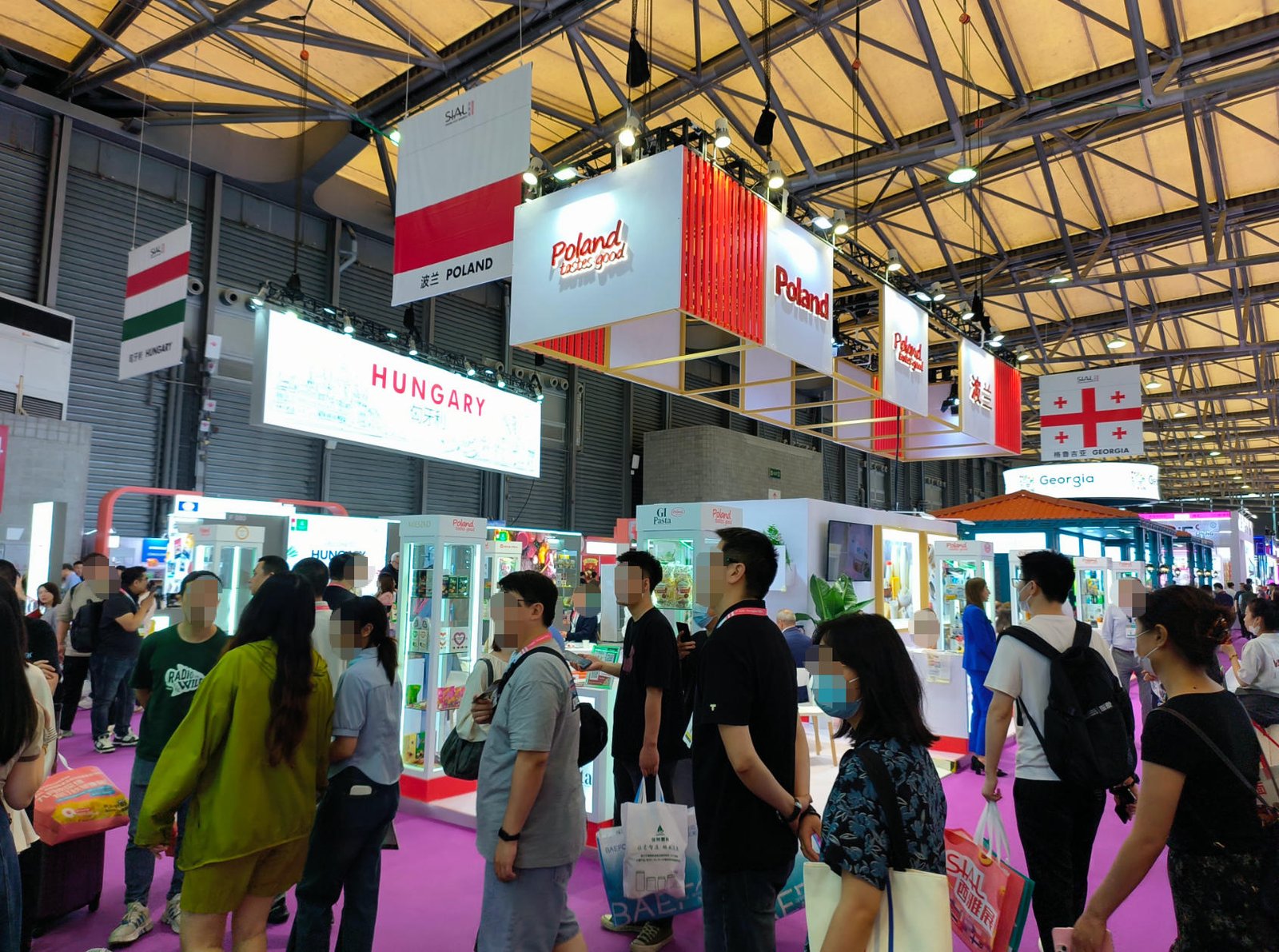
Imagine this: you have just a few days to build a fully functioning “mini-restaurant” inside a vast, empty exhibition hall—a space that must simultaneously handle live cooking, guest hospitality, brand storytelling, and online broadcasting. This is the reality of building a food exhibition booth, especially at mega-shows like SIAL CHINA.
At PANDA EXPO CHINA, we know that a successful food exhibition booth goes far beyond putting up some nice-looking walls. It’s a mission-critical operation of planning, coordination, and flawless execution. Let’s break down the real challenges in plain language.
What Makes a Food Booth So Difficult? 6 Real-World Challenges
If a standard booth is a “well-furnished apartment,” a food booth is a “pop-up restaurant with a central kitchen.” It must seamlessly solve these six core issues:
1. Water & Power: Like a Mini-Factory
-
Water: Needed for constant handwashing, food prep, dishwashing, and cooking. Inadequate water pressure or poor drainage can bring operations to a standstill.
-
Electricity: This is one of the biggest challenges. Ovens, induction cookers, fridges, dishwashers, lighting, and giant screens all running at once create a massive power load. Poor circuit design leads to tripped breakers and a dark, silent booth.
2. Tons of Equipment: Installing a Professional Kitchen
What goes inside isn’t household appliances, but commercial-grade gear:
-
Cooking Zone: Combi-ovens, induction hobs, griddles, microwaves.
-
Cleaning Zone: High-frequency commercial dishwashers and glass washers.
-
Cold Storage & Beverage Zone: Heavy-duty chillers and professional coffee systems.
Each piece requires expert installation, power hookup, and ventilation.
3. A Small Army of Specialists
Your construction crew isn’t just carpenters and electricians; it’s a mixed unit of:
-
Plumbers & Master Electricians: For all the essential lifelines.
-
Equipment Engineers: To install and commission complex kitchen gear and exhaust systems.
-
IT/Network Technicians: To ensure stable Wi-Fi for live streams, interactive screens, and digital ordering.
4. & 5. Crowded with People: A Live, Working Team
The booth itself must accommodate and enable your operational staff:
-
The Chef Brigade: Needs a safe, efficient, and well-equipped space to work.
-
The Service Team: Requires clear traffic flow to serve guests without colliding with the kitchen.
-
Management: Needs a command point to oversee everything.
Design must pre-plan everyone’s movement to avoid “rush hour” traffic jams.
6. Capturing the Moment: Your On-Site “Media Studio”
To maximize impact, you also need:
-
Photography & Videography Crew: To capture content for future marketing.
-
Live-Stream Setups: For online engagement.
This means the booth design must also consider lighting, camera angles, and cable management.
See the Difference: Food Booth vs. Standard Booth
| Comparison Point | Standard Booth | Food Booth (e.g., SIAL CHINA project) | What Could Go Wrong? |
|---|---|---|---|
| Main Purpose | Display, Meetings | Display + Production + Service + Broadcast | Conflicting functions, chaos |
| Utility Needs | Lighting, screen power | Industrial-scale water & power | Blackouts, leaks, flooding |
| On-Site Staff | Sales, tech personnel | Chefs, servers, techs, media—multiple teams | Poor workflow, inefficiency |
| Top Priority | Looks, brand image | Safety, hygiene, efficiency, experience | Accidents, bad guest experience |
| Construction Focus | Structure, graphics | Integrated Systems Engineering | Equipment failure, total breakdown |
How PANDA EXPO CHINA Solves This: Our “Turnkey” Project Mindset
Faced with this complexity, we use a “General Contractor + Deep Pre-Planning” model. We simplify the process so you only need to talk to one team—us—to solve everything.
Step 1: Deep Dive Like a Partner
Before we sketch, our project manager meets with your marketing, sales, and even head chef. We learn what you’re showcasing, what you’re cooking, and your expected visitor traffic. Every design decision is based on these real operational needs.
Step 2: Design the “Guts” and the “Glory”
Our blueprints include more than pretty pictures; they include a full set of “anatomy charts”:
-
Hidden Systems Plans: Show every water pipe and cable route.
-
Equipment Layout Maps: Ensure each appliance is optimally placed with ready power and data ports.
-
People Flow Diagrams: Separate paths for visitors, staff, and chefs for safety and efficiency.
Step 3: Factory Pre-Assembly, On-Site “Lego Build”
To cut on-site time and surprises, we pre-assemble large booth sections—and even pre-wire/pre-plumb some parts—in our factory. On the show floor, it’s a fast, precise assembly like building with high-stakes Lego.
Step 4: On-Site Command Center
Our foreman becomes your “field commander,” coordinating our crew, your chefs, rental companies, and AV teams to ensure a seamless, on-schedule build.
Step 5: Contingency Plans, Full Support
We keep common spare parts on hand and have technicians on call to handle any small issues during the show, ensuring your booth runs smoothly for all four days.
The Bottom Line: We Handle the Complex. You Shine.
At top-tier shows like SIAL CHINA, FHC, or Bakery China, a flawlessly operating booth is the most powerful brand statement. It silently tells every visitor: We are professional, reliable, and detail-oriented.
Choosing PANDA EXPO CHINA means more than hiring an exhibition stand builder. You’re gaining a strategic partner who understands your business complexity and has the systematic skill to make it work. Let us handle the engineering challenges so you can focus entirely on engaging clients and showcasing your brand.
Planning a high-stakes food exhibition?
Get in touch with PANDA EXPO CHINA. Let’s build a stunning, “zero-downtime” booth solution for you.
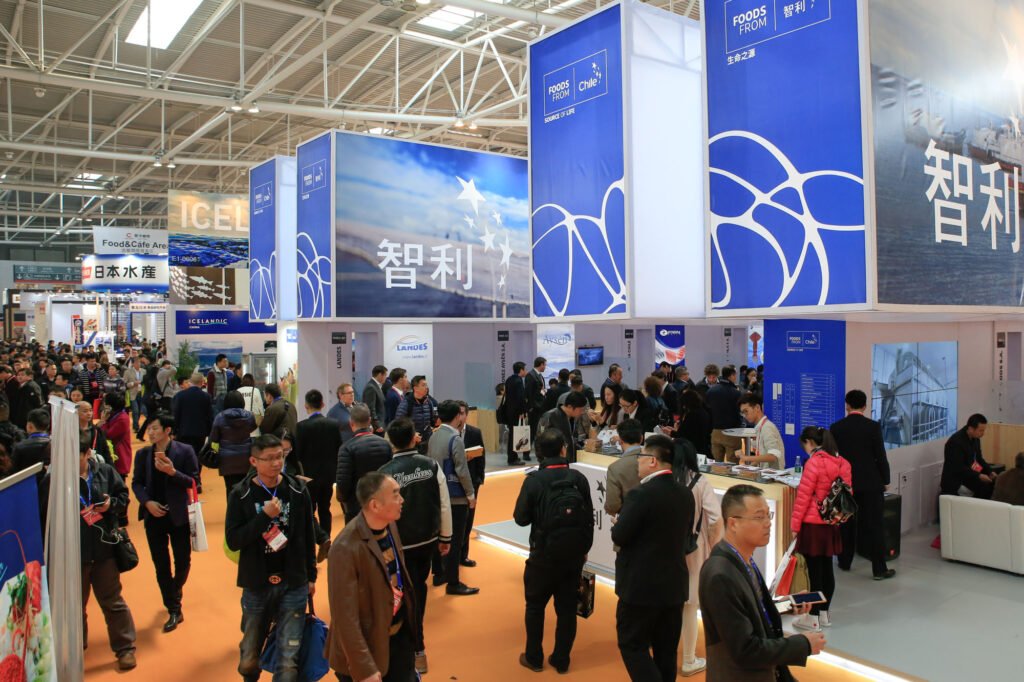
chile pavilion expo stand construction in China Fisheries & Seafood Expo (CFSE)
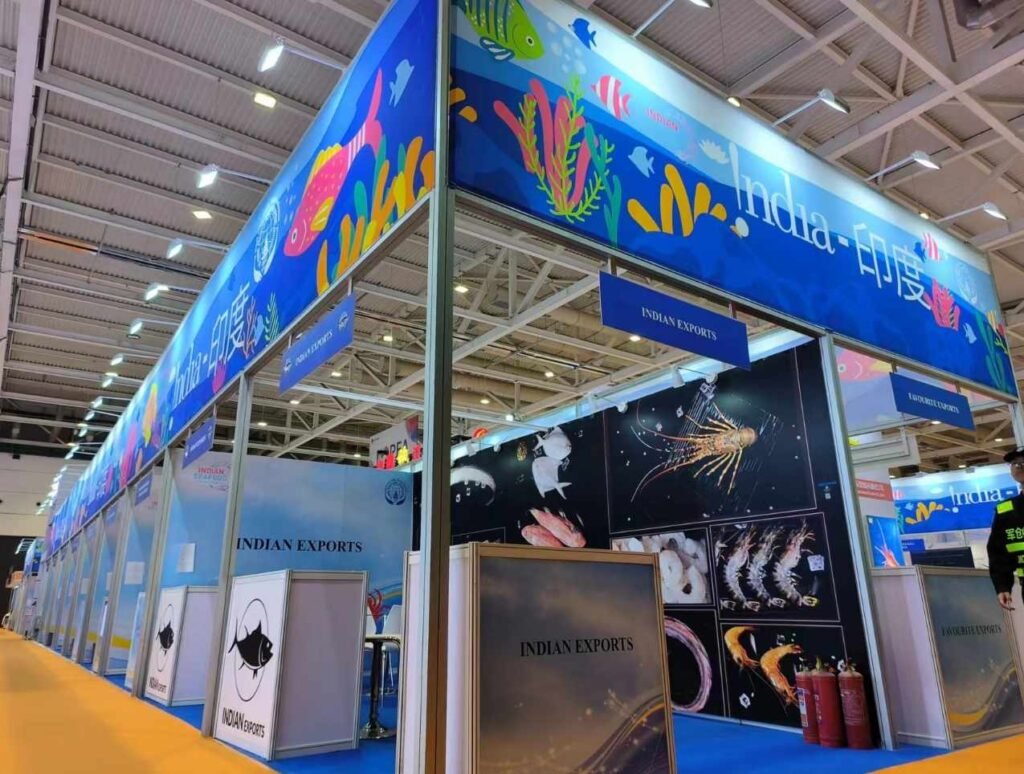
India Pavilion stand construction at China Fisheries & Seafood Expo (CFSE)
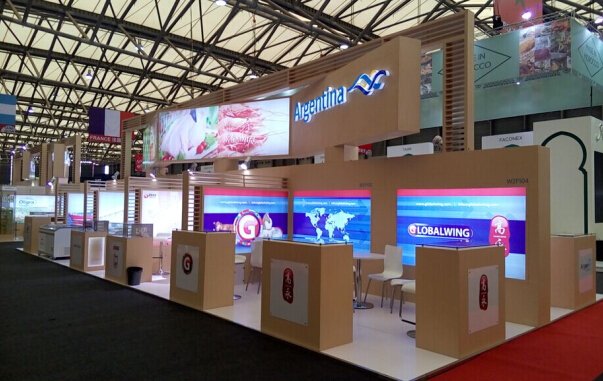
argentina pavilion expo stand construction in Sial China shanghai
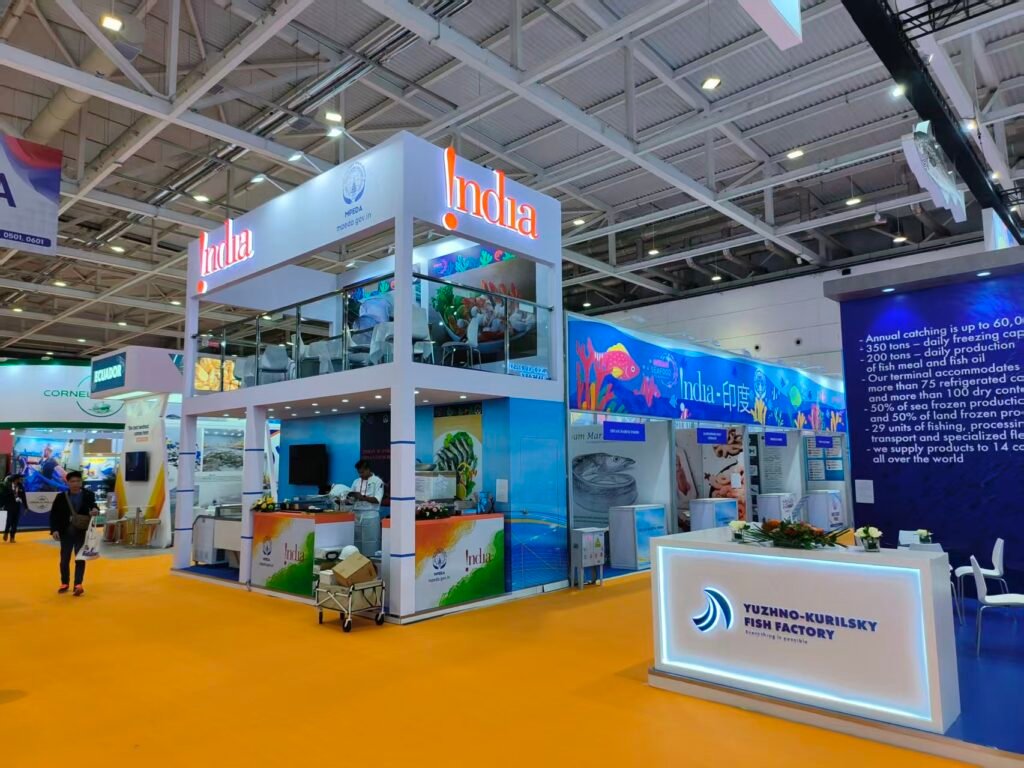
indian pavilion stand construction in china by panda expo
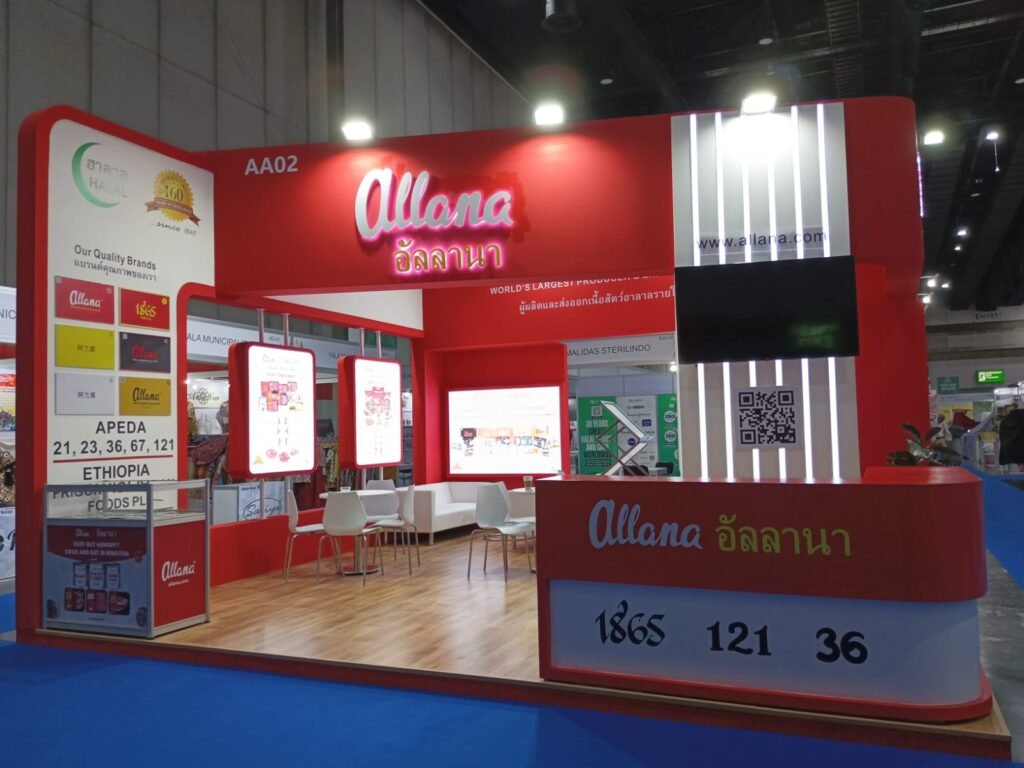
allana exhibition stand construction by panda expo china
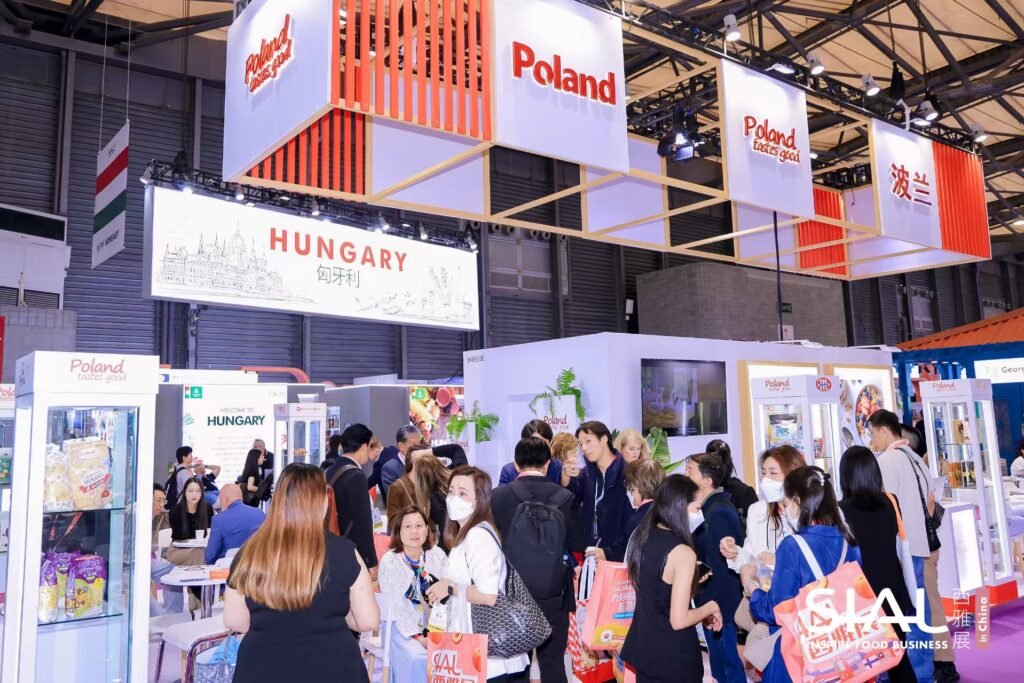
poland pavilion @sial china 2025
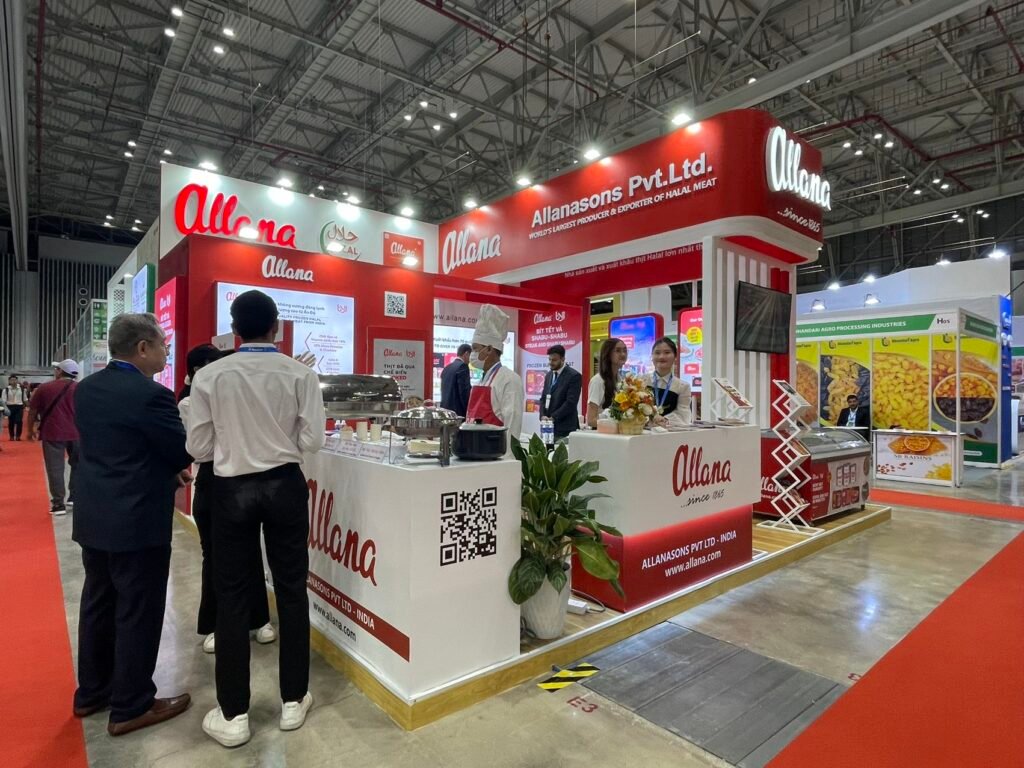
allana exhibition stand construction in vietnam
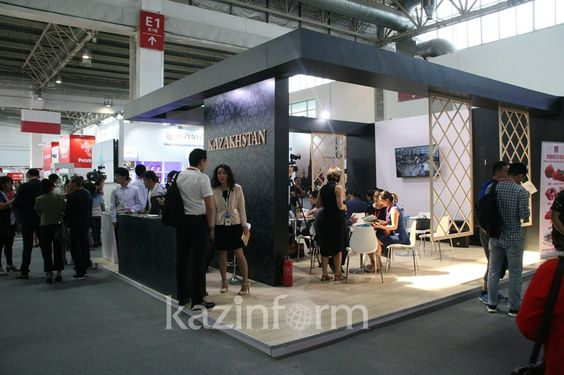
kazakhstan pavilion expo stand construction in aguafood beijing

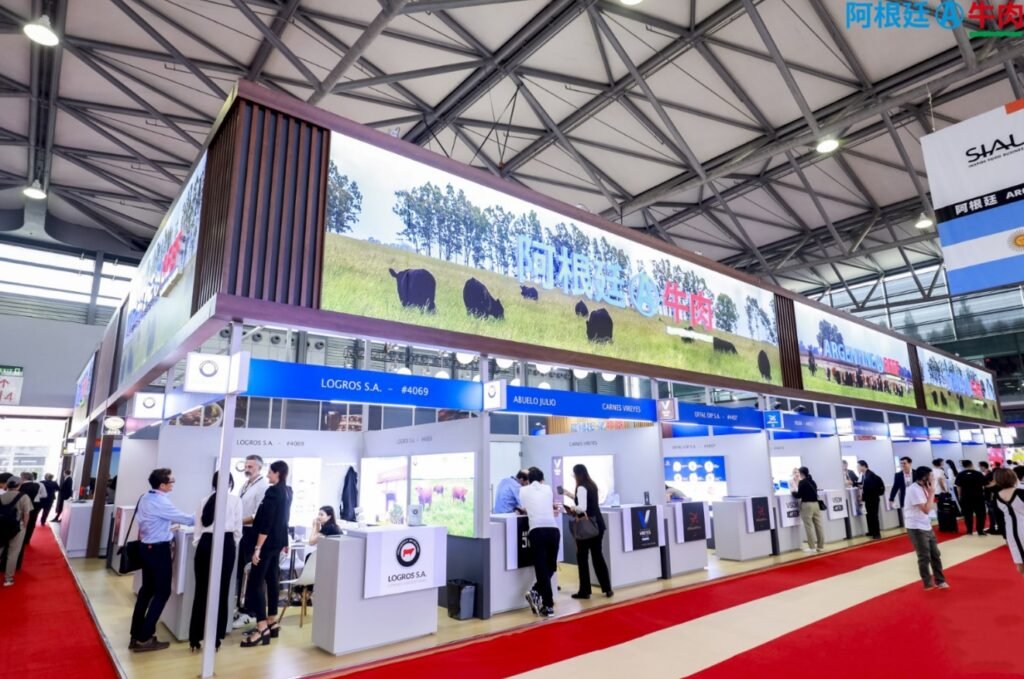
exhibition stand construction in sial china
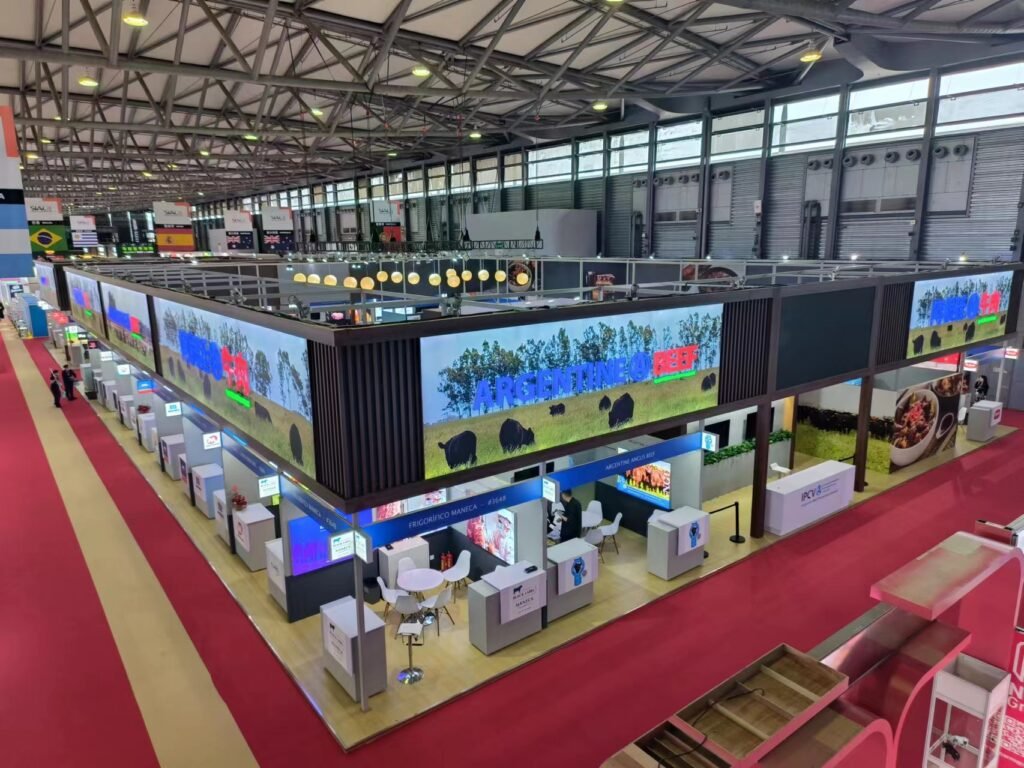
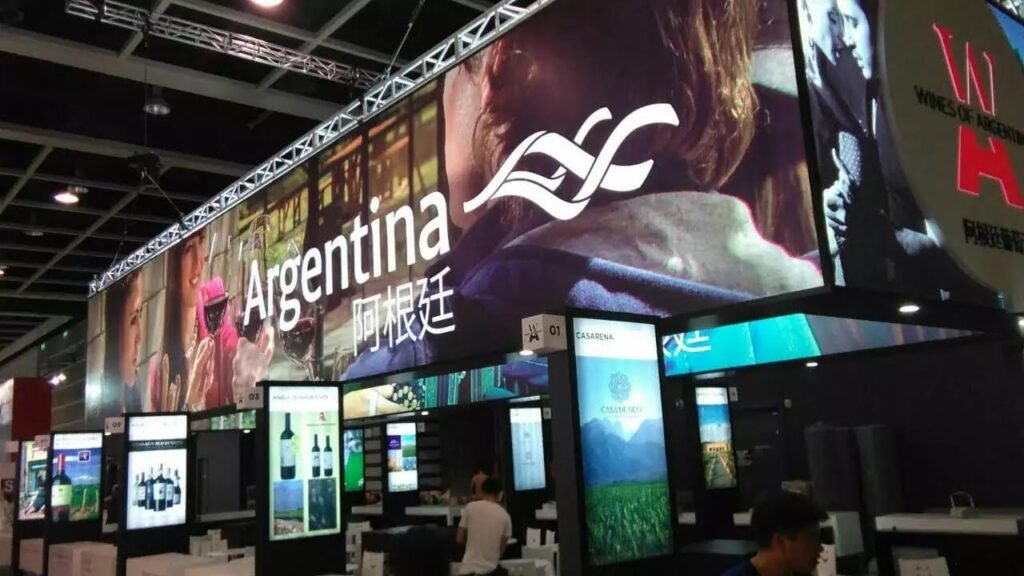
wof pavilion expo stand construction in vinexpo hongkong
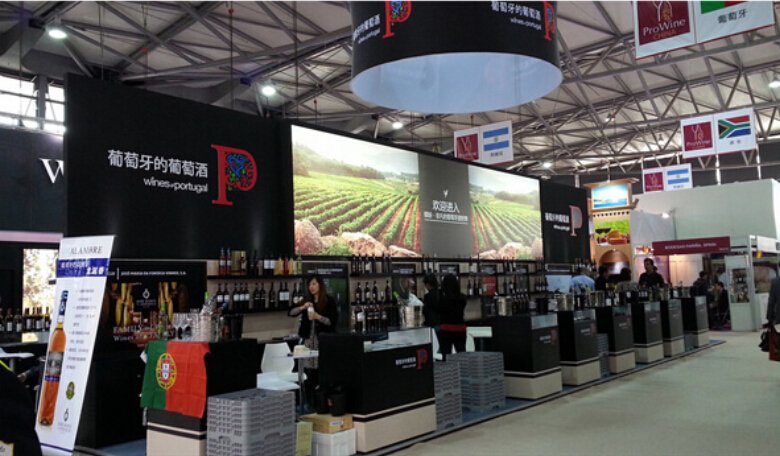
wines of portugal pavilion expo stand construction in prowine shanghai
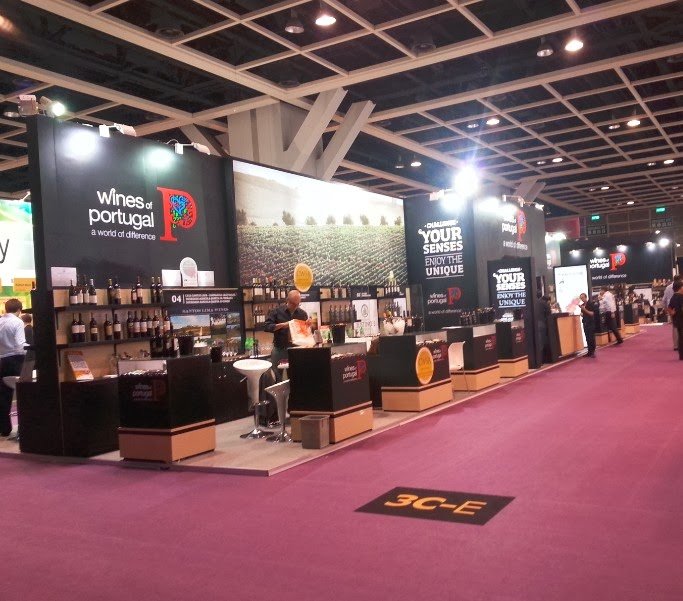
wines of portugal pavilion expo stand construction in hongkong HKTDC Hong Kong International Wine & Spirits Fair
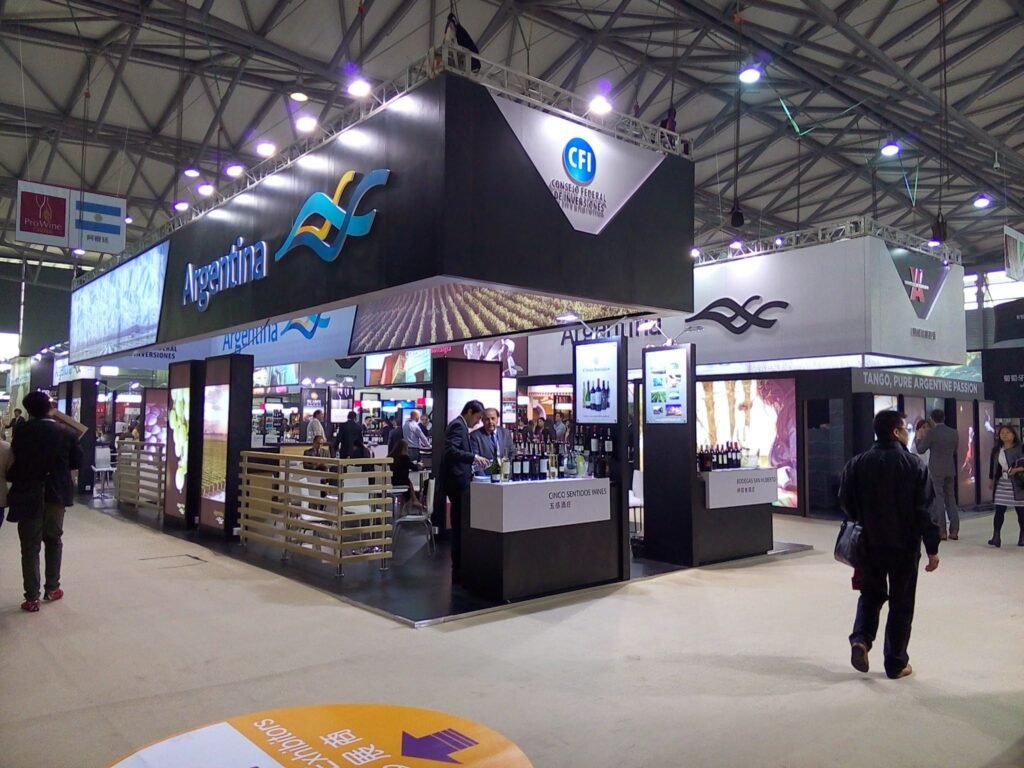
wines of argentina pavilion expo stand construction in prowine in shanghai
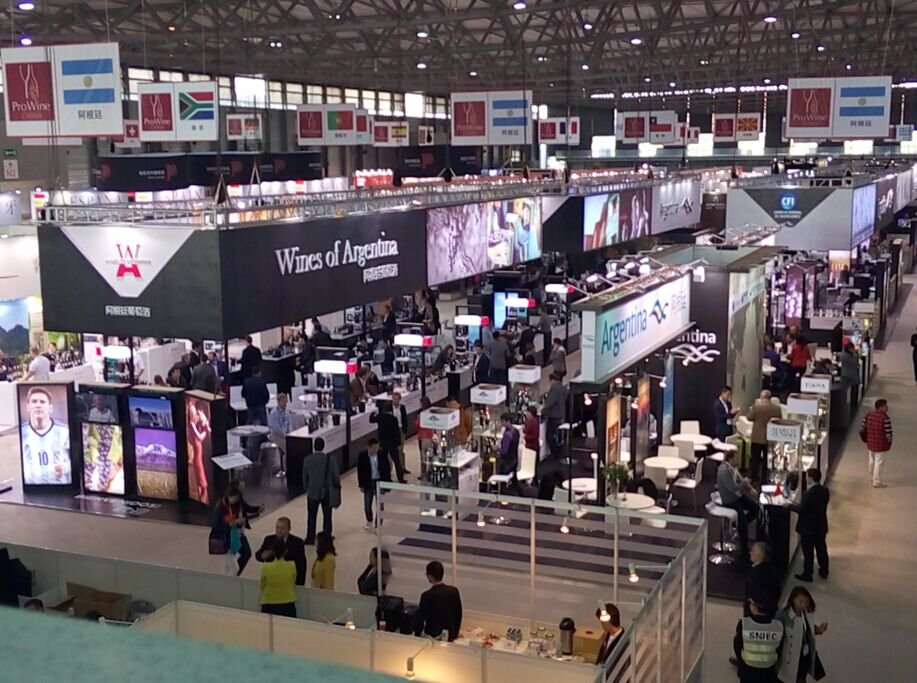
wines of argentina pavilion expo stand construction in prowine in shanghai china
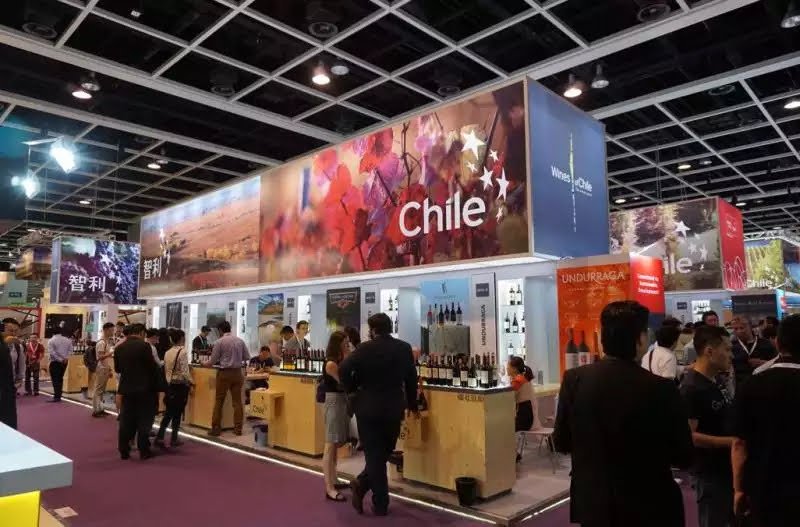
wine of chile pavilion expo stand construction in vinexpo hongkong
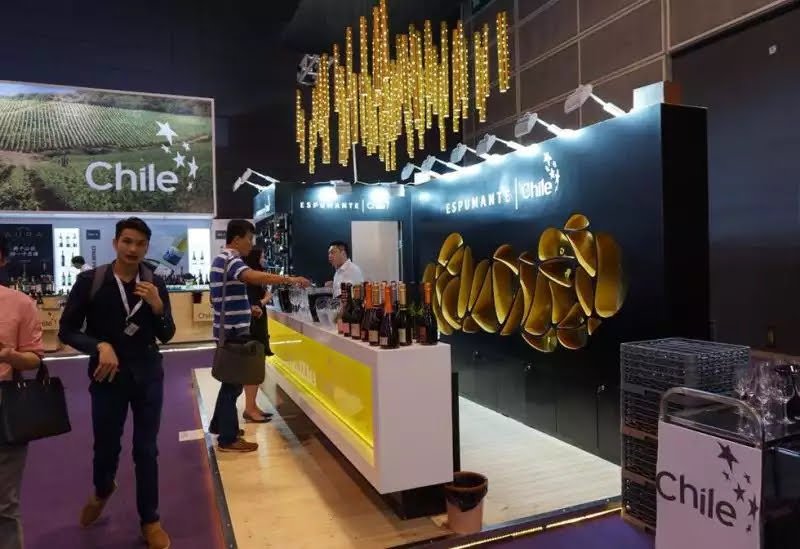
wine of chile pavilion expo stand construction in vinexpo hongkong 2
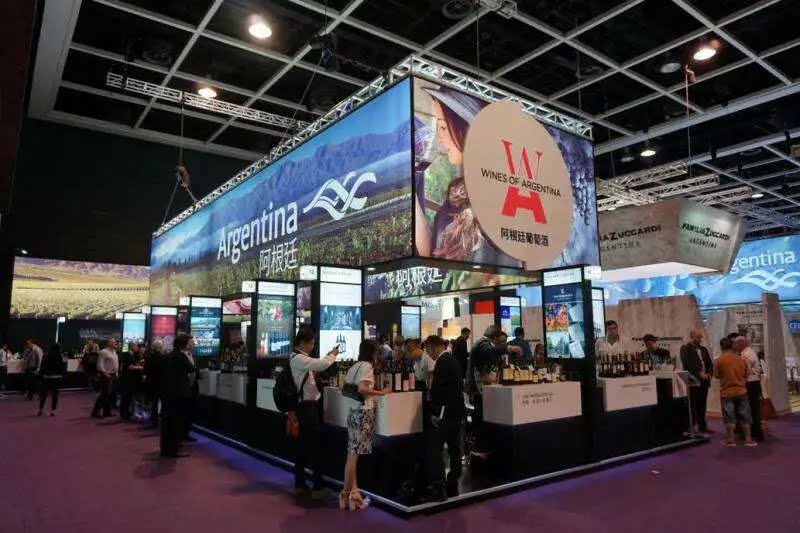
wine of argentina pavilion expo stand construction in vinexpo hongkong
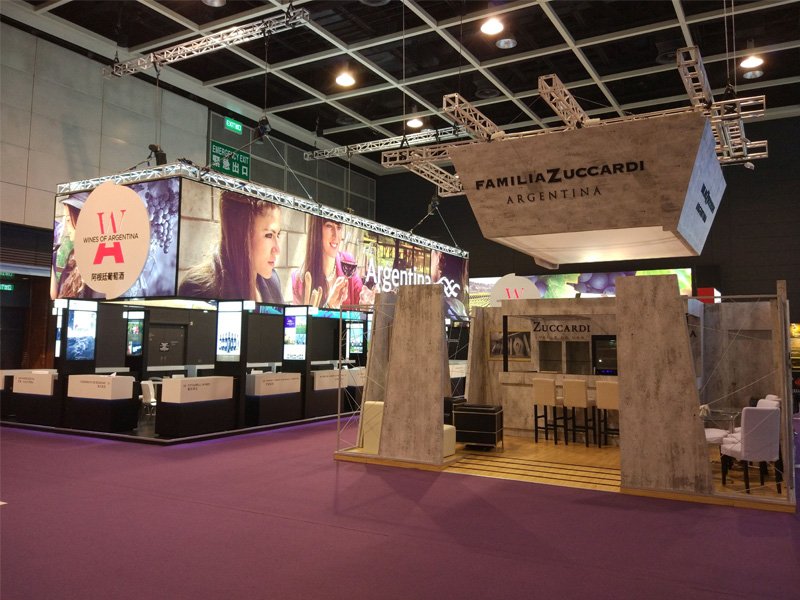
wines of argentina @ Vinexpo Asia hongkong
