Your cart is currently empty!

Categories
Recent Posts
- Do I need a local Chinese stand builder?
- ❓ Top 10 Questions for Exhibition Stand Design and Construction in China
- What are the logistics and on-site challenges for stand construction in China?
- Do I need to work with a local Chinese stand builder/contractor, or can I use my home-country provider?
- How important is sustainability in exhibition stand design and construction in China today?
Archive
Tags
Air Cargo China Automechanika Shanghai BEIJING CHINAPLAS CIPS CLIENT LIST custom exhibition stand builders Defense – Armament Trade shows 2026 – 2027 exhibition exhibition booth construction exhibition booth design Exhibitions in china exhibition stall in qingdao exhibition stand Exhibition Stand Construction exhibition stand contractor EXHIBITION STAND DESIGN exhibition stand designers and builders expo stand builders expo stand design F1 Chinese Grand Prix 2026 HONG KONG japan tradeshow list Panda Expo Panda Expo China prowine shanghai 2025 Race Calendar in China SHANGHAI sports event calendar Sports Events in China thailand exhibition list thailand tradeshow list Tradeshow in Beijing tradeshow in chengdu Tradeshow in Chongqing tradeshow in guangzhou tradeshow in hong kong china tradeshow in india tradeshow in japan tradeshow in shanghai tradeshow in taiwan china tradeshow in vietnam tradeshow list in beijing 2026 transport logistic China 2026 wenzhou tradeshow
Social Links


Navigating China’s Stand Construction Rules: A Complete Compliance Guide for Exhibitors
Introduction: Why Compliance is Non-Negotiable
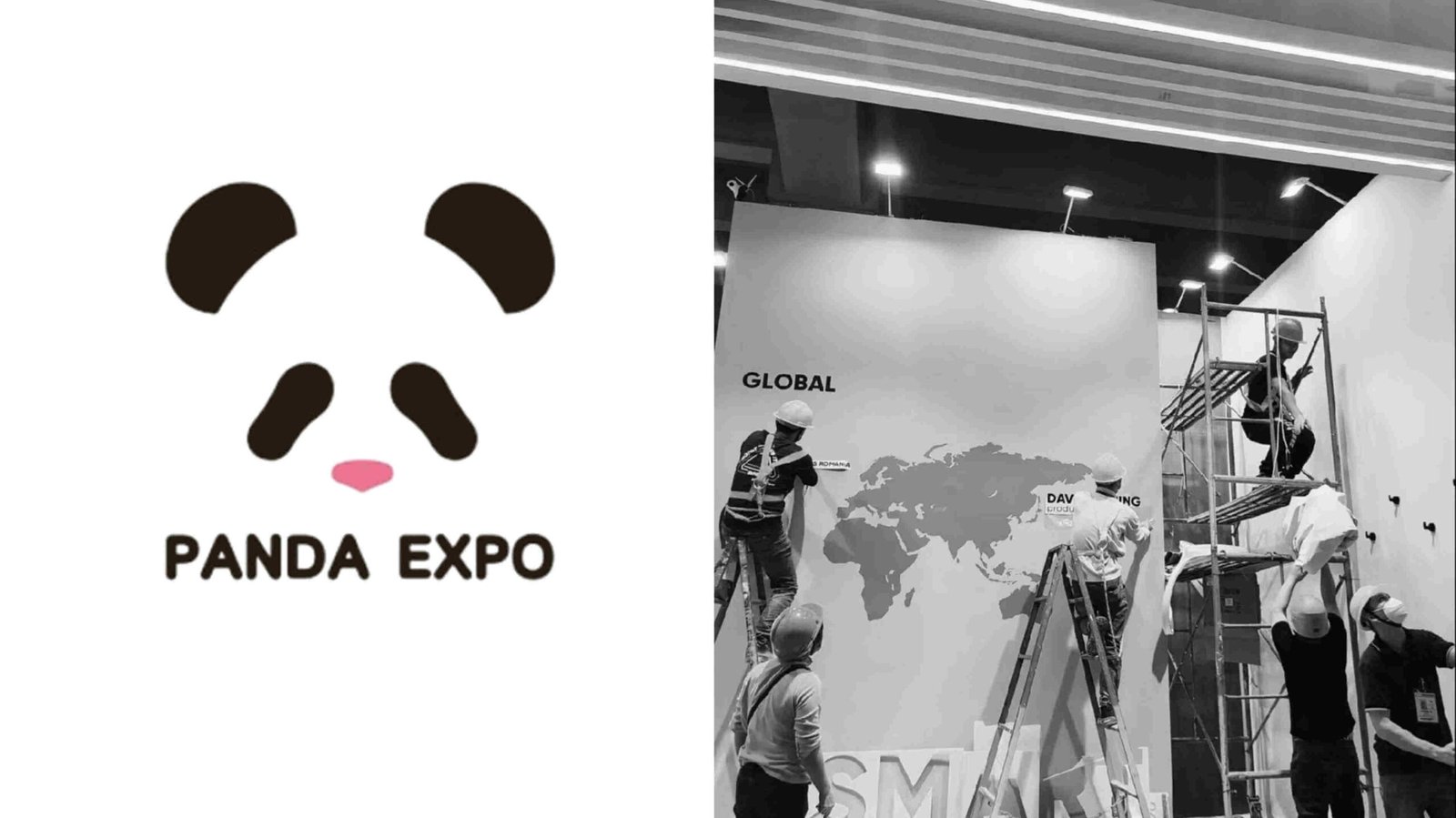
For international exhibitors in China, understanding and adhering to local stand construction regulations is as crucial as the design itself. The framework is strict, venue-specific, and rigorously enforced. Non-compliance doesn’t just risk fines—it can lead to last-minute construction halts, booth rejection, or even expulsion from the fair. This guide, presented by PANDA EXPO CHINA, your local expert, details the critical regulations you must know to ensure a smooth and successful build.
The High Cost of Non-Compliance: Risks You Cannot Ignore
Before diving into specifics, understand the stakes of overlooking these rules:
-
Project Delays & Work Stoppage: On-site corrections eat into precious setup time.
-
Financial Penalties: Fines are levied for breaches of fire, electrical, or labor rules.
-
Booth Closure or Dismantling Order: The most severe outcome, resulting in a complete loss of exhibition presence.
-
Increased Costs & Stress: Emergency fixes and expedited services come at a premium.
The 5 Pillars of Stand Construction Compliance in China
Successfully navigating regulations means mastering these five core areas. The table below summarizes the key requirements and common pitfalls.
| Compliance Pillar | Key Requirements & Standards | Common Pitfalls & Risks |
|---|---|---|
| 1. Fire Safety & Materials | • Use of fire-retardant certified materials (proof required). • Limits on fabric area and mandatory treatment. • Clear, unobstructed aisles and emergency exits. • Fire extinguishers placed within stand as per venue rules. |
Using standard wood or non-certified fabrics. Blocking aisles with displays or furniture. Lacking material certification documents on-site. |
| 2. Electrical & Mechanical Safety | • All wiring must be performed by venue-certified electricians. • Use of CCC-marked (China Compulsory Certification) cables and equipment. • Proper cable management (no exposed wires, must be in conduits). • Load limits for hanging points and structures. |
Bringing uncertified power strips or lights. DIY electrical work. Exceeding the weight limit for suspended elements. |
| 3. Labor & Installation | • Mandatory use of unionized labor (venue-approved workers) for I&D (Installation & Dismantling). • Safety gear (helmets, harnesses) must be worn on-site. • Strict adherence to official move-in/out schedules. |
Sending your own staff to perform setup work. Contracting unapproved third-party laborers. Working outside allotted hours. |
| 4. Temporary Import & Customs | • ATA Carnet is highly recommended for temporary import of reusable stand materials. • Detailed packing lists (with values) for customs clearance. • Working with a freight forwarder experienced in exhibition logistics. |
Attempting to import materials as “commercial goods,” incurring duties. Incomplete paperwork causing customs holds. |
| 5. Venue & Organizer Approval | • Submission of detailed technical drawings (floor plan, elevation, electrical plan) for pre-approval. • Adherence to maximum height restrictions. • Payment of all venue fees (management, electricity, cleaning). |
Missing submission deadlines. Designing a stand that exceeds height limits. Failing to apply for utilities in advance. |
Your Compliance Roadmap: Roles and Responsibilities
Clarity on who handles what is half the battle won.
As the Exhibitor, You Are Responsible For:
-
Selecting a qualified, local contractor (like PANDA EXPO CHINA) with proven compliance knowledge.
-
Approving designs that meet standard regulations.
-
Budgeting for all related compliance costs (union labor, certified materials, fees).
-
Providing accurate information for customs documents (ATA Carnet).
Your Designated Contractor (e.g., PANDA EXPO CHINA) is Responsible For:
-
Designing to Code: Creating stands that inherently meet fire, structural, and venue rules.
-
Documentation & Submission: Preparing and submitting all technical drawings for approval.
-
Certified Sourcing: Using fire-rated materials and CCC-certified electrical components.
-
On-Site Management: Hiring approved union labor, supervising safe construction, and serving as the main point of contact with venue officials.
The Venue/Organizer is Responsible For:
-
Providing clear, written rules and regulations.
-
Reviewing and approving submitted drawings.
-
Supplying utilities (water, power points) as applied for.
-
Enforcing on-site safety and compliance.
Actionable Checklist: From Planning to Show Floor
Follow this timeline to ensure full compliance.
| Stage | Key Compliance Actions |
|---|---|
| 6-12 Months Before | • Hire a local contractor. Discuss regulations during initial brief. • If re-using overseas materials, initiate ATA Carnet process. |
| 3-6 Months Before | • Contractor develops design compliant with target venue’s specific rules. • Finalize technical drawings for submission. |
| 1-3 Months Before | • Contractor submits drawings to organizer/venue for official approval. • Apply for utilities (power, water, internet) through official channels. • Confirm logistics and customs strategy. |
| 1-4 Weeks Before | • Receive venue approval; make any mandated revisions. • Ensure all fire certificates for materials are ready for on-site inspection. • Confirm union labor schedule with contractor. |
| Move-In & Show Days | • Contractor manages approved crew for build. • Have material certificates accessible. • No ad-hoc modifications without contractor/venue approval. |
Conclusion: Partner with Local Experts for Peace of Mind
China’s exhibition compliance landscape is complex but manageable. The single most effective strategy to mitigate risk is to partner with a qualified, local stand builder like PANDA EXPO CHINA. We act as your guide and guarantor, translating rules into actionable steps, ensuring your investment is protected, and your focus remains where it should be—on engaging with customers and growing your business.
Ready to Build with Confidence?
Contact PANDA EXPO CHINA today. Let our expertise in local regulations and flawless execution be the foundation of your successful exhibition in China.